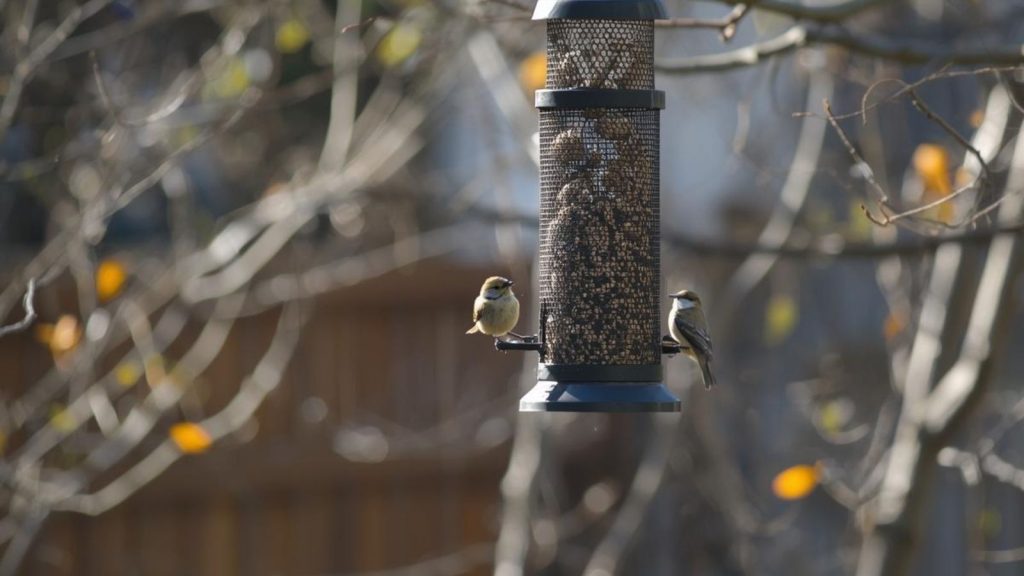
Feeding garden birds in the UK is one of the most rewarding ways to support wildlife while enjoying nature right outside your window. Whether you have a large garden or a small balcony, providing food for birds helps them survive and gives you the chance to observe a wide variety of species up close.
This beginner’s guide covers what to feed garden birds, where to place feeders and what common mistakes to avoid when caring for these wonderful creatures.
Why Feed Garden Birds?
Garden birds face many challenges, including habitat loss, reduced natural food sources, and harsh weather conditions. Feeding birds can:
Provide essential energy, especially in winter and breeding seasons.
Help young birds survive during nesting periods.
Encourage new species into your garden.
Bring joy to your day-to-day life.
Feeding birds responsibly can make a real difference to your garden year-round.
What Food Is Best for Garden Birds?
Different birds prefer different foods. Offering a variety will attract more species to your garden.
1. Seeds
Sunflower seeds (especially black oil sunflower seeds) are a favourite for many garden birds.
Mixed bird seed attracts sparrows, finches, and dunnocks.
Avoid cheap seed mixes with lots of filler grains that birds won’t eat.
2. Fat Balls and Suet
High-energy food is ideal for colder months.
Loved by robins, blue and green tits and woodpeckers
Choose fat balls without plastic nets to keep birds safe.
3. Peanuts
Great source of protein.
Use only unsalted and unroasted peanuts.
Always place in a proper peanut feeder.
Keep in mind, these will attract squirrels if you have any in your area.
4. Mealworms
Excellent for robins and blackbirds.
Particularly useful during breeding season.
5. Fruit
Apples, pears, and berries attract thrushes and blackbirds.
Avoid mouldy or salty foods.
What NOT to Feed Garden Birds
Some foods can harm birds and should be avoided:
Bread (low nutrition and can cause health problems).
Salty foods
Milk
Any processed human foods.
Where to Place Bird Feeders
Correct feeder placement keeps birds safe and comfortable. Position feeders away from predators, like cats. Hang feeders near shrubs or trees for shelter.
If possible, place feeders where you can watch birds from indoors without disturbing them.
When Should You Feed Garden Birds?
Contrary to popular belief, feeding birds isn’t just for winter; it is vital to feed them all year round.
Winter: Helps birds survive cold weather. During these months, it is very important as there is less food around and it is much colder.
Spring: Essential for breeding; birds nest and raise young.
Summer: Helps parents feed chicks (offer natural foods like mealworms).
Autumn: Provides energy before migration and preparation for the colder months ahead.
Consistency is key. If you start feeding birds, keep feeding them at the same time and place so they always have food and know where to go.
Keeping Bird Feeders Clean
Dirty feeders can spread disease, which makes it so important to keep them clean to keep birds healthy. There are a couple of ways to do this:
Clean feeders every 1–2 weeks with warm water.
Let feeders dry completely before refilling to keep the food from going mouldy.
How to Attract More Birds to Your Garden
In addition to food, birds need:
Fresh water for drinking and bathing is essential for birds year-round, regardless of temperature.
Native plants for shelter and insects.
Safe nesting spaces, such as bird boxes.
A wildlife-friendly garden encourages birds to return year after year.
Final Thoughts: Start Feeding Garden Birds Today
Feeding garden birds is simple, affordable, and incredibly rewarding. It can be a wonderful hobby and a great way to switch off and relax.
If you’re new to feeding garden birds and not sure where to start, our Bird Food page will help you with the basics, step by step. You’ll learn what foods attract different birds all year round.
By choosing the right foods, carefully placing feeders, and maintaining good hygiene, anyone can create a warm and welcoming space for birds.
With patience, you’ll soon enjoy the sights and sounds of thriving birdlife right outside your door.